13 Sep, 2026 • 2 mins read
Monitoring and Evaluation Director of PCB, Usaidh Asadhulla, Joins as a Panelist at the Internal Audit 360° Summit 2026
During the Summit, Usaidh showed how AI can transforms audit from box-ticking into a high-value strategic function on a low budget. He stressed that pairing tech with solid planning, resource efficiency, and self-development boosts audit impact.
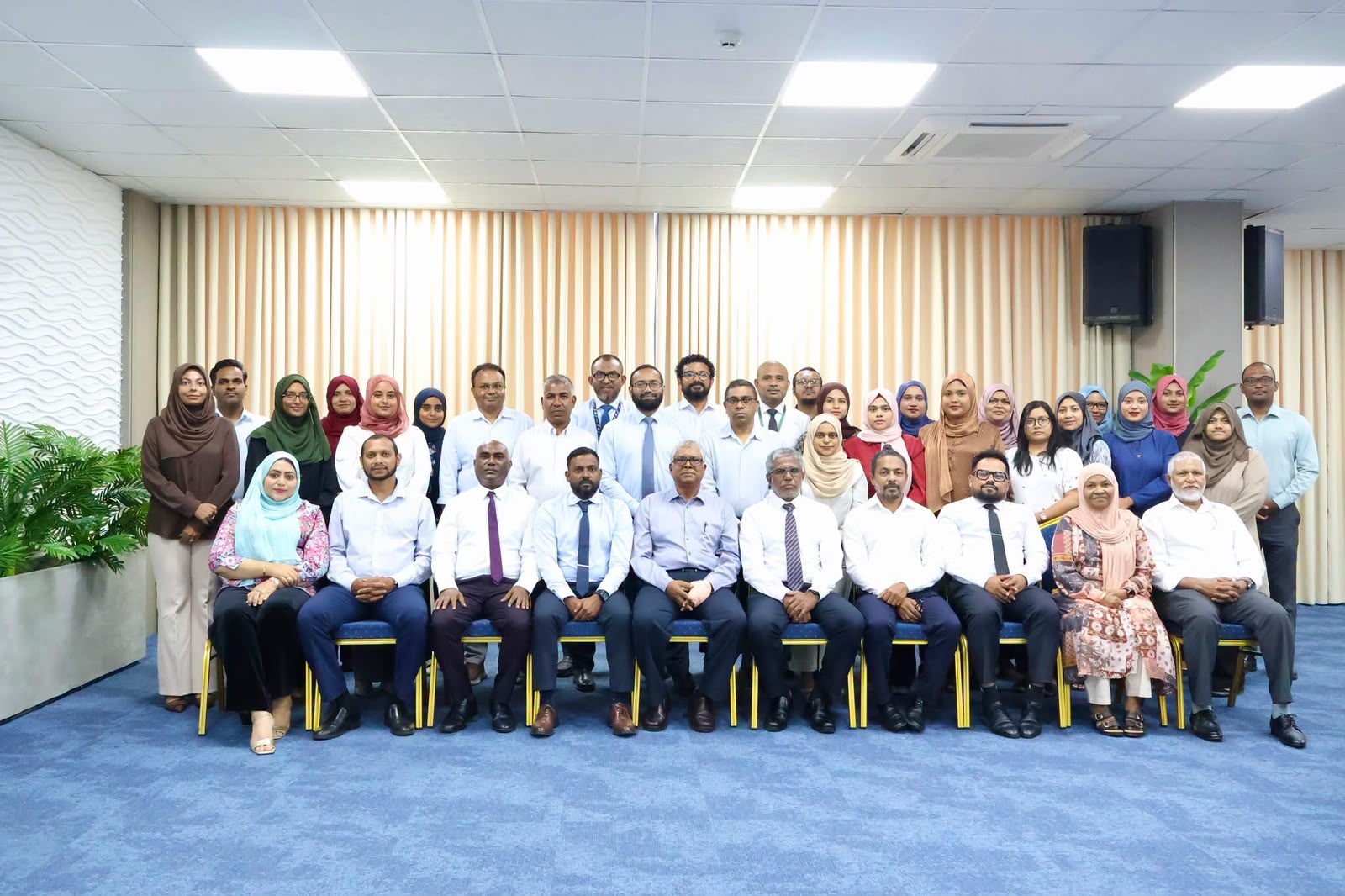
The Privatization and Corporatization Board (PCB) recently took an active role in the landmark Internal Audit 360° Summit 2026, organized by the Internal Audit Association of the Maldives (IAAM), to bring together internal audit professionals, executive leaders, and governance experts from across the nation. Serving as a vital platform for open dialogue, the summit focused on modernizing oversight mechanisms, embracing technological disruption, and enhancing internal audit frameworks to meet future operational demands.
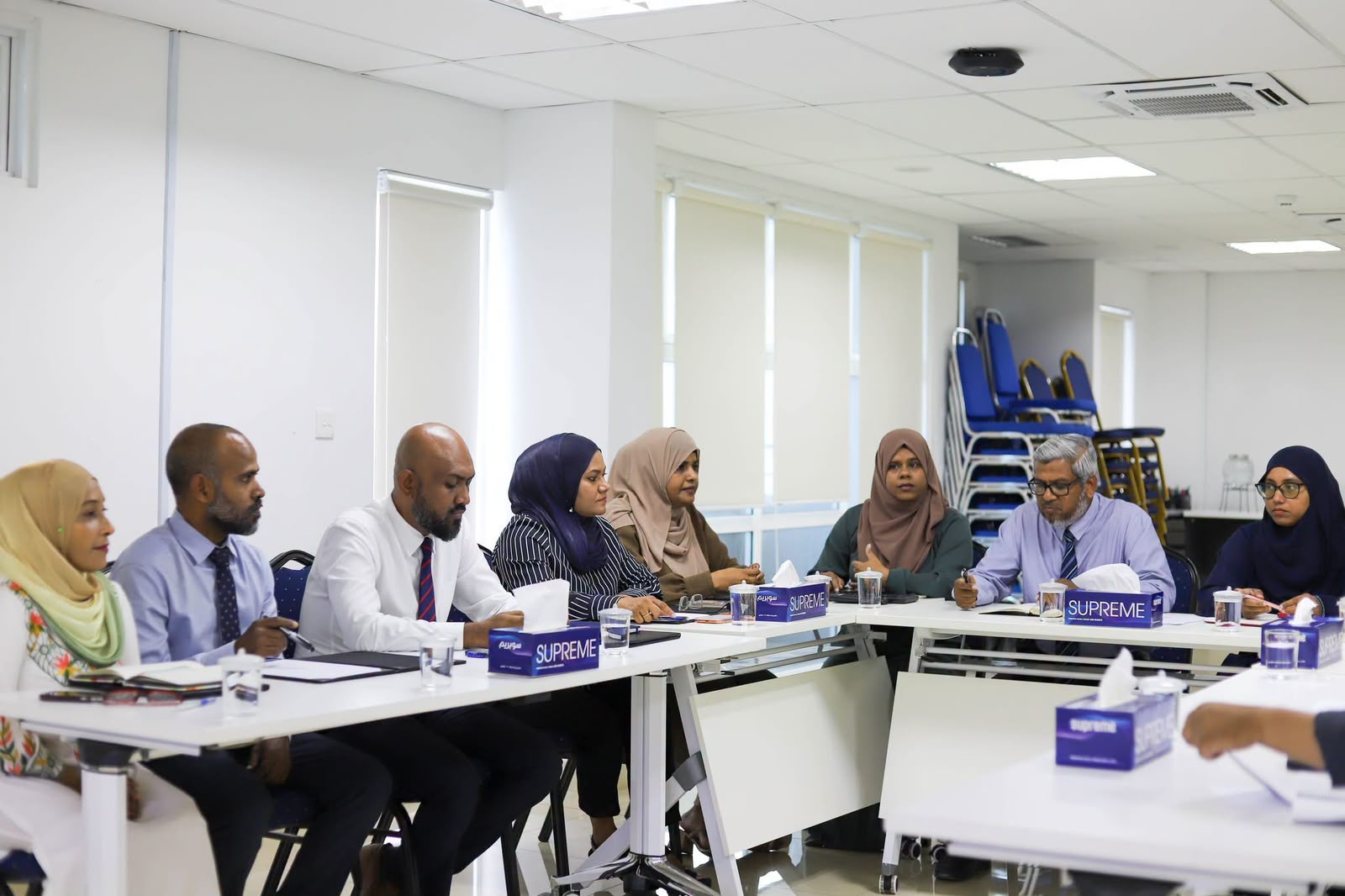
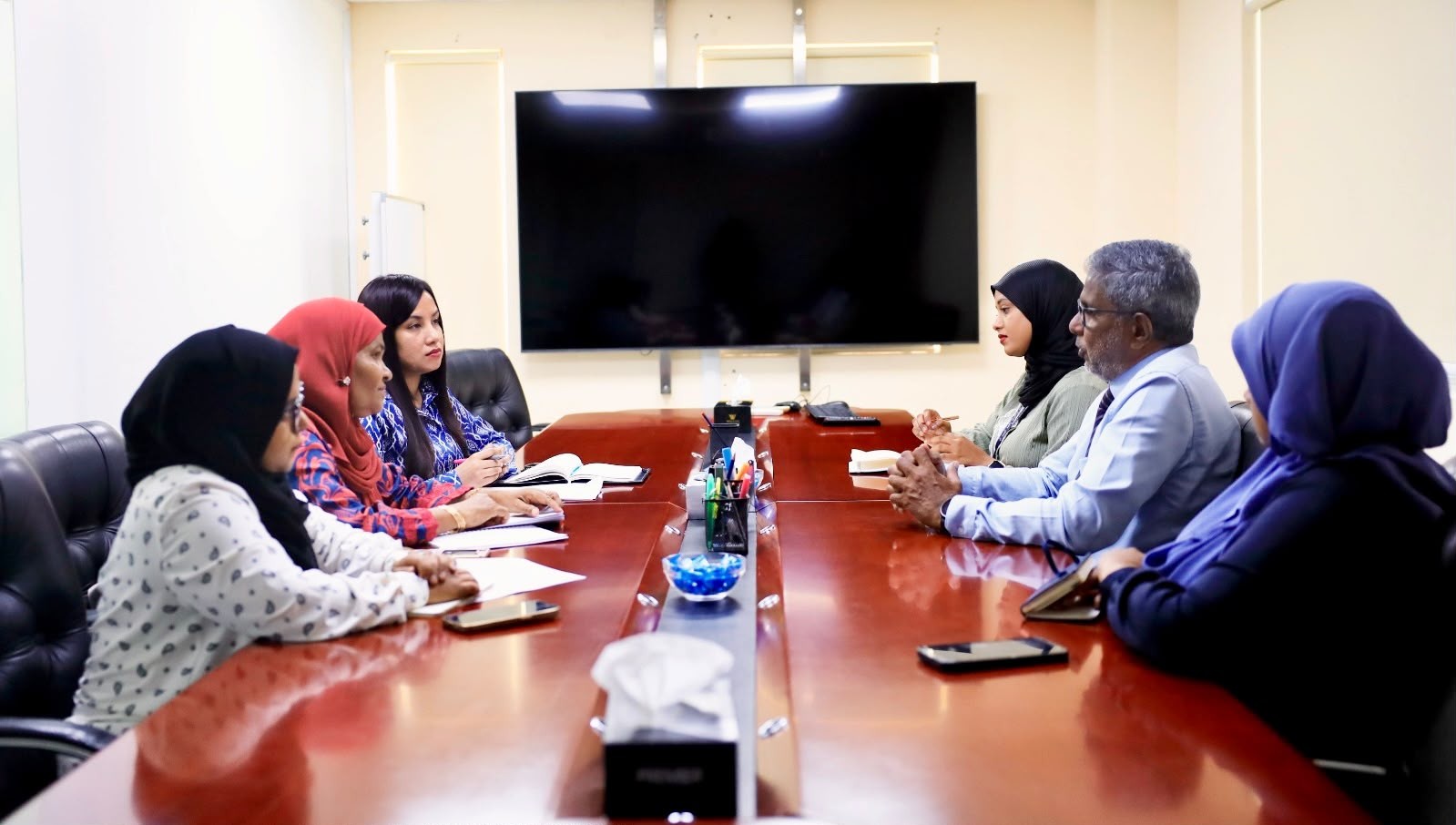
A key highlight of the event was a dedicated, high-level panel discussion exploring strategic alignment and executive expectations within State-Owned Enterprises (SOEs) and the broader public sector. Representing the PCB as a panelist, Monitoring and Evaluation Director Usaidh Asadhulla shared crucial perspectives on maximizing the effectiveness, adaptability, and strategic relevance of internal audit functions.
During the session, Usaidh emphasized that robust planning remains the bedrock of any successful audit operation, noting that even the most well-resourced internal audit unit will fail to deliver results without a clear, strategic plan. Addressing the operational realities facing many entities, he highlighted the importance of resource optimization—urging audit teams to maximize their existing capacity by thoroughly understanding available capabilities and prioritizing continuous self-development, even within tight resource constraints.
A central theme of his address was the practical integration of artificial intelligence into modern audit practices. Usaidh shared concrete examples from his own experience, demonstrating how internal auditors can leverage AI tools to streamline analytical processes, automate repetitive tasks, and uncover deeper operational insights. Crucially, he called for a fundamental shift in mindset across the profession, urging internal audit functions to move away from mere "box-ticking" compliance and evolve into value-creating strategic partners that drive long-term organizational governance.
Congratulations to the IAAM for successfully bringing together key industry stakeholders, and audit practitioners for such a timely and transformative conversation. The PCB’s active participation reflects its ongoing dedication to embedding high standards of transparency, operational excellence, and strong governance frameworks across the entire state-owned enterprise sector.